
The short answer: natural peanut butter made only from roasted peanuts works beautifully in sauces, dressings, stews and bakes. Stir the jar thoroughly first, thin it with warm liquid rather than cold, season it yourself (because it contains no added salt or sugar), and expect slightly softer, oilier doughs than with sweetened, stabilised spreads.
Most of us know peanut butter as something to spread on toast. In many kitchens around the world, though, ground peanuts are a cooking ingredient first: the base of a sauce, the body of a stew, the richness in a dressing. This guide explains how a pure, crunchy peanut butter behaves when you cook with it and gives you simple, flexible starting points for everyday dishes.
Why natural peanut butter behaves differently in the kitchen
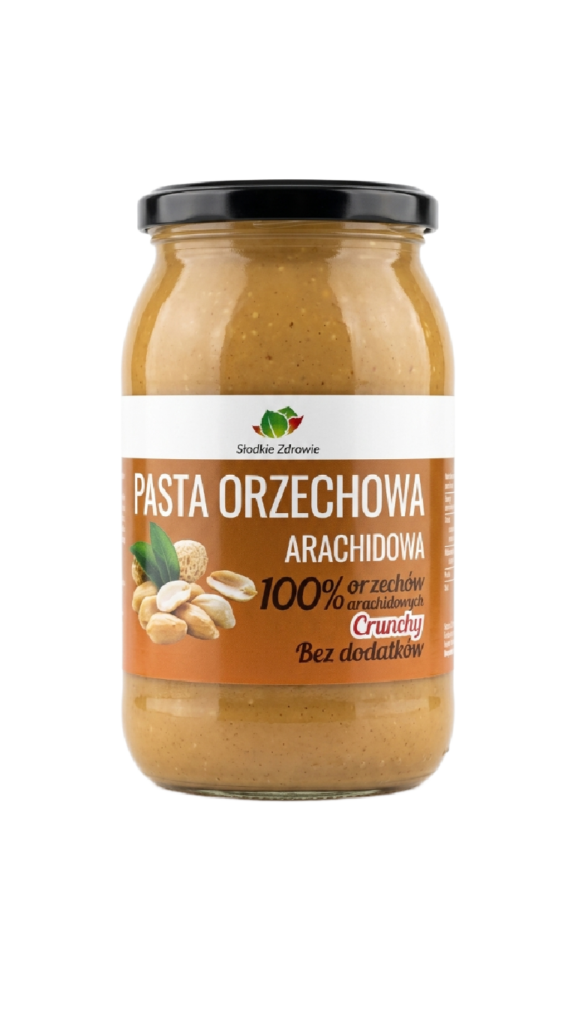
Many mass-market peanut butters contain added sugar, salt and hardened vegetable fats that keep the oil from separating. A natural peanut butter, like our Crunchy Peanut Butter in a 900 g glass jar, is made from roasted peanuts only. That has three practical consequences for cooking:
- The oil separates. The peanuts’ own oil rises to the top of the jar. Always stir it back in before measuring, otherwise the first spoonfuls are runny and the last ones dry. Our guide to why natural peanut butter separates and how to store the jar explains the easiest way to do it.
- You control the seasoning. With no added salt or sugar, the flavour is simply roasted peanut. You add saltiness, sweetness and acidity to suit the dish.
- The texture is looser when warm. Without hardened fats, natural peanut butter melts into hot liquids easily, which is ideal for sauces, but it can make cookie doughs softer.
A short botanical note
The peanut (Arachis hypogaea) is not a true nut but a legume, related to beans and peas. After the flowers are pollinated, the stalks bend towards the ground and the pods develop underground, which is why peanuts are also called groundnuts. The plant was domesticated in South America and later spread to Africa, Asia and beyond, where it became part of many regional cuisines.
Crunchy or smooth: does it matter for cooking?
For most cooked dishes, crunchy peanut butter works just as well as smooth. The small peanut pieces soften in sauces and stews and add a pleasant bite to dressings and bakes. If you want a completely silky sauce, simply blend it for a few seconds after mixing. For cookies and bars, crunchy peanut butter gives a more rustic texture with visible pieces of peanut.
Peanut sauce: a flexible base recipe
Peanut sauce is the dish most people think of first. In Indonesia, satay (grilled skewered meat that originated on Java) is classically served with a peanut sauce, and the Indonesian salad gado-gado is dressed with one too. Recipes vary from family to family, so treat the version below as a starting point and adjust it to taste.
Ingredients (about 4 servings)
- 4 tablespoons well-stirred natural peanut butter
- 2 tablespoons soy sauce
- 1 tablespoon lime juice or rice vinegar
- 1 teaspoon honey, sugar or maple syrup (optional)
- 1 small garlic clove, finely grated
- a little grated ginger or chilli (optional)
- 4 to 6 tablespoons warm water
Method
- Put the peanut butter in a bowl and add the soy sauce, lime juice, sweetener and garlic.
- Whisk in the warm water one spoonful at a time until the sauce is smooth and pourable.
- Taste and adjust: more lime for freshness, more soy sauce for saltiness, a pinch of salt if needed.
Use warm water rather than cold. Cold liquid can make the peanut butter seize into a stiff paste; warm liquid loosens it almost immediately. The sauce thickens as it stands, so stir in another spoonful of warm water before serving.
Ways to use it
- tossed through warm or cold noodles with sliced vegetables;
- as a dip for raw vegetables, spring rolls or grilled tofu;
- spooned over a bowl of rice, steamed greens and a boiled egg;
- thinned a little more as a salad dressing.
Seasoning with salt
Because our peanut butter has no added salt, it is worth thinking about salt as a separate ingredient. Add it in small pinches and taste as you go. A few crystals of an unrefined sea salt such as our Celtic Sea Salt sharpen the roasted flavour of a peanut sauce or stew. If the recipe already uses soy sauce or stock, taste before adding any extra salt at all.
Peanut stews: the West African tradition
Ground peanuts are central to several West African stews. One of the best known is maafe (also spelled mafé), a groundnut stew associated with the Mandinka and Bambara people of Mali and now cooked in many countries across West Africa and beyond. It is typically made with a tomato base, onions and meat or vegetables, thickened with peanut paste and served with rice.
A simple home approach:
- Soften a chopped onion in a little oil, add garlic and tomato paste and cook for a minute.
- Add chopped vegetables such as sweet potato, carrot or cabbage, plus stock or water to cover.
- Whisk a few tablespoons of peanut butter with a ladle of the hot cooking liquid until smooth, then stir it back into the pot.
- Simmer gently, stirring now and then, until the vegetables are tender and the sauce has thickened. Season to taste.
Mixing the peanut butter with a little hot liquid first prevents lumps. Peanut-thickened sauces can catch on the bottom of the pan, so keep the heat low and stir regularly.
Baking with natural peanut butter
Natural peanut butter bakes well, but it behaves a little differently from sweetened, stabilised spreads.
- Stir thoroughly before measuring. Oil-heavy or dry peanut butter from the top or bottom of the jar changes the texture of the dough.
- Chill the dough. Doughs made with natural peanut butter are often softer. Thirty minutes in the fridge helps cookies hold their shape.
- Add the sweetness yourself. Recipes written for sweetened peanut butter may taste less sweet; adjust the sugar to your preference.
- Use it in place of some butter. In bars, brownies or banana bread, peanut butter can replace part of the fat for a nutty flavour. Start by replacing a small part and see how you like the result.
A classic three-ingredient peanut cookie
Mix 250 g well-stirred peanut butter, 100 to 150 g sugar and 1 egg until combined. Roll into walnut-sized balls, press each one with a fork, and bake at about 180 °C for 10 to 12 minutes, until just set at the edges. Leave them on the tray to firm up before moving them, as they are fragile while warm.
Breakfast and quick ideas
- Stir a spoonful into warm porridge at the end of cooking.
- Blend with banana, milk or a plant drink and a few oats for a thick smoothie.
- Whisk with yoghurt and a little honey for a fruit dip.
- Spread on rye bread with sliced apple and a pinch of cinnamon.
For more pantry staples, browse our Grocery category. Delivery within Lithuania is free.
Kitchen safety and allergens
Peanuts are one of the 14 allergens that must be emphasised on food labels in the EU under Regulation (EU) No 1169/2011. If you cook for guests, always tell them when a dish contains peanuts, use clean utensils and boards, and keep peanut dishes clearly separate. Use a clean, dry spoon in the jar every time and follow the storage advice on the label.
Please note: this article is general culinary information. Peanut butter is a food, not a medicine, and this is not medical or dietary advice. Do not use it if you are allergic to peanuts. If you are pregnant, breastfeeding, taking medication or following a special diet, consult a doctor before making changes to your diet.
Frequently asked questions
Can I use crunchy peanut butter for peanut sauce?
Yes. The peanut pieces soften in the sauce and add texture. For a completely smooth sauce, blend it briefly after mixing.
Why does my peanut sauce go thick and stiff?
Peanut butter tightens when mixed with cold liquid and thickens as the sauce stands. Whisk in warm water a spoonful at a time until it loosens again.
Do I need to stir natural peanut butter before cooking with it?
Yes. The natural oil separates and rises to the top. Stir the jar thoroughly so each spoonful has the same consistency, otherwise sauces and doughs can turn out too oily or too dry.
Can I bake with natural peanut butter instead of a sweetened one?
Yes. Stir it well, add sweetness to taste and chill the dough before baking, because doughs made with natural peanut butter are often softer.
How do I stop peanut butter forming lumps in a stew?
Whisk the peanut butter with a ladle of the hot cooking liquid in a separate bowl until smooth, then stir it back into the pot and simmer gently.
Sources
- Wikipedia, Peanut (botany, legume, underground pods, South American origin)
- Wikipedia, Satay and Gado-gado (Indonesian peanut sauce dishes)
- Wikipedia, Maafe (West African groundnut stew)
- EUR-Lex, Regulation (EU) No 1169/2011, Annex II (substances causing allergies or intolerances)
- Product information for our Crunchy Peanut Butter (100% roasted peanuts, no added sugar or salt, palm oil free)